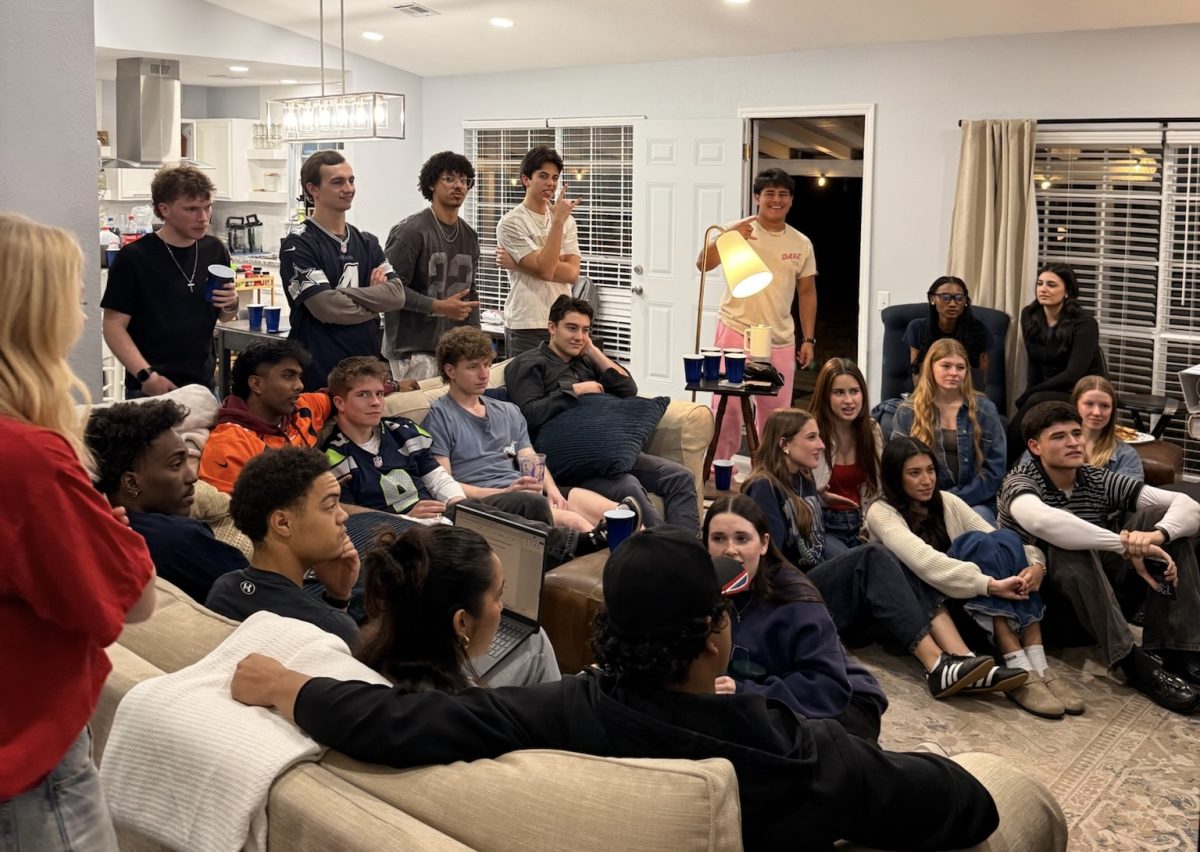

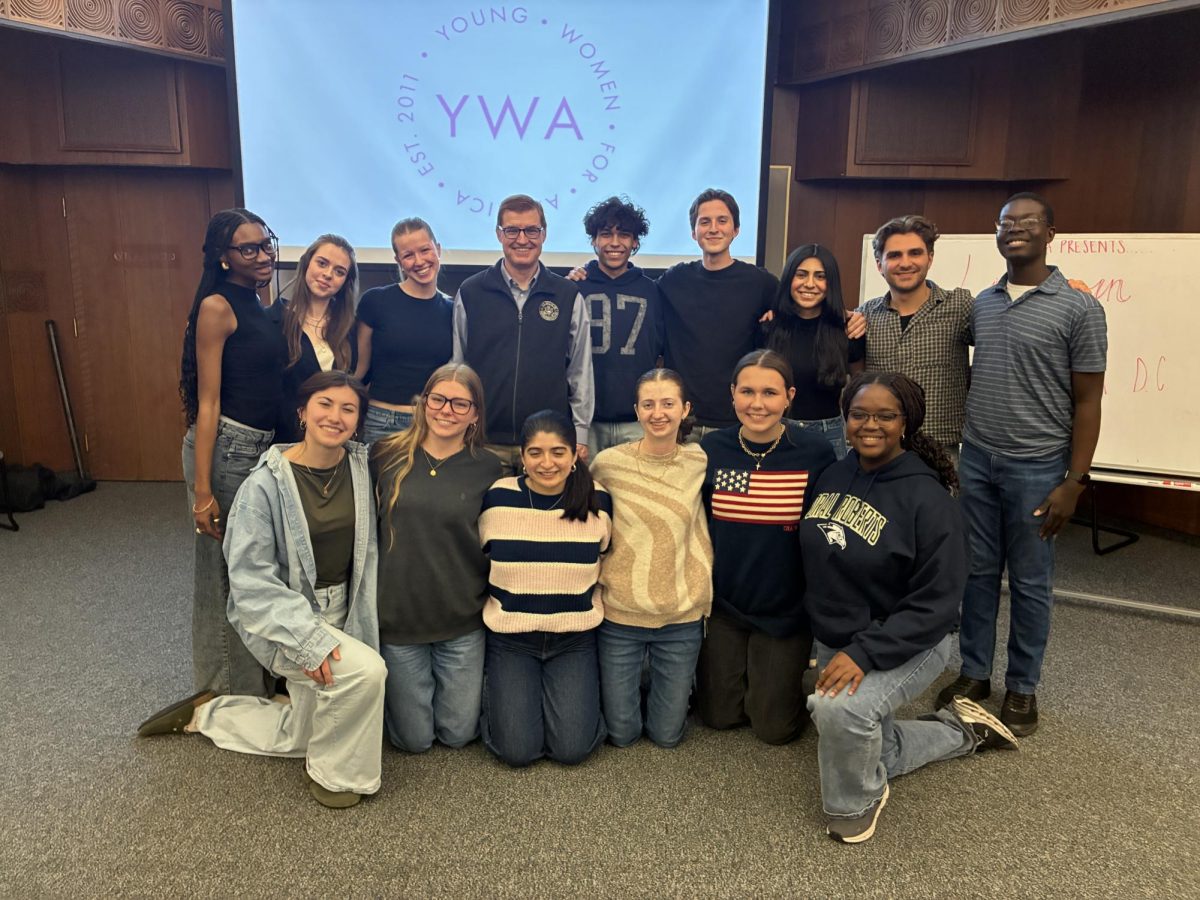


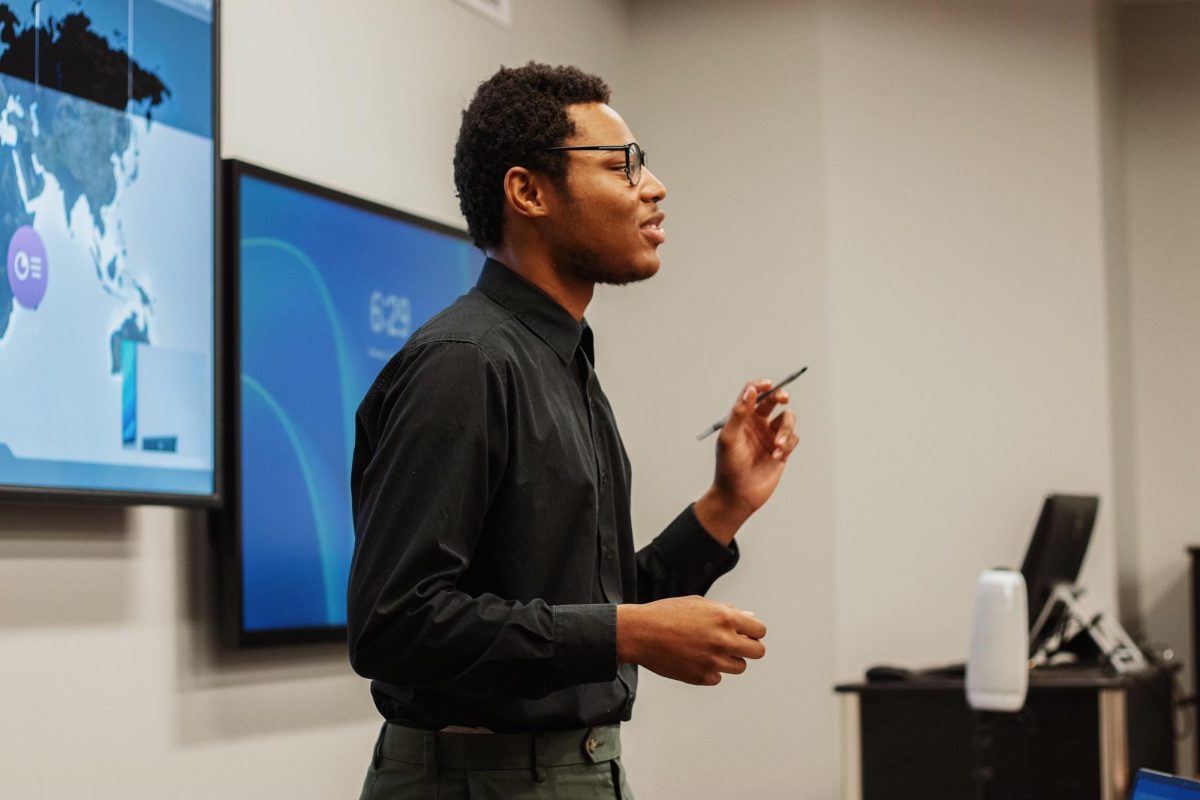
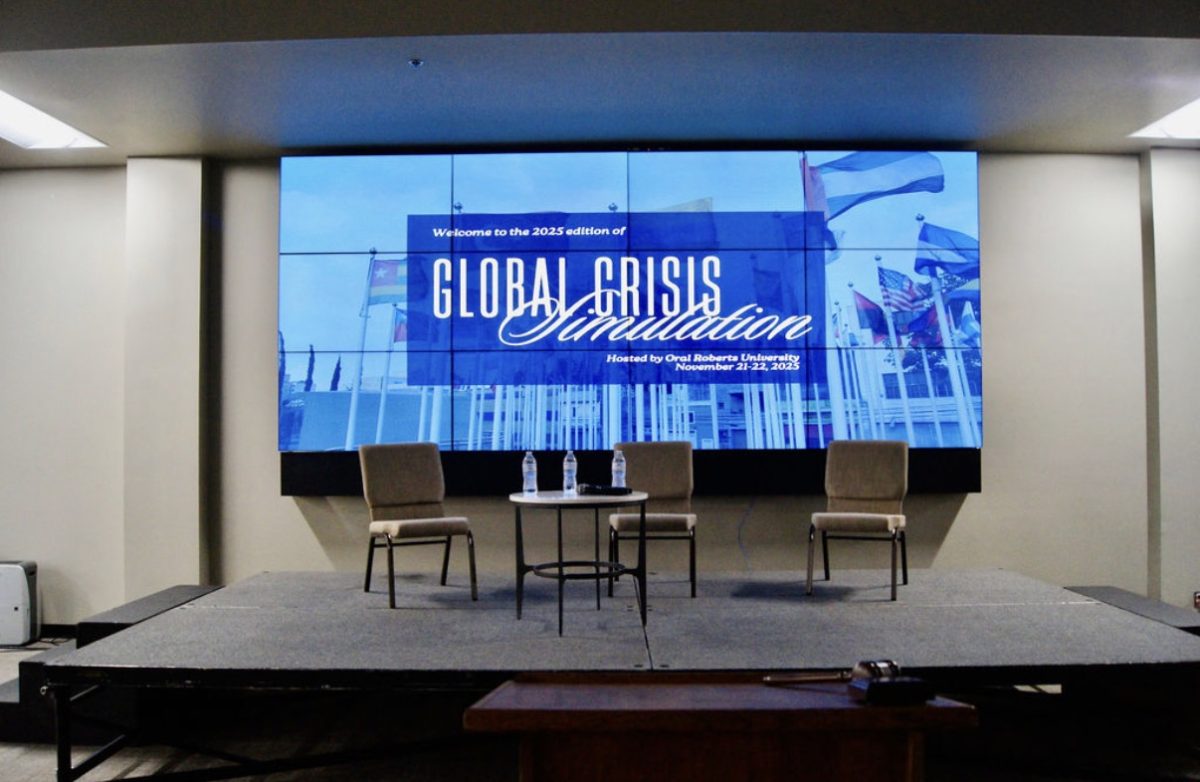
During a high-pressure conference in late November, 110 students from five schools across the Midwest stepped into the shoes of diplomats, world leaders and the news media to tackle fast-paced global catastrophes at Oral Roberts University’s Global Crisis Simulation 2025.
The event challenged students to manage escalating international emergencies as they navigated the impact diplomacy, military intervention and the press have on the global stage.
Crises ranged from trade wars and mineral rights to humanitarian challenges and AI threats.
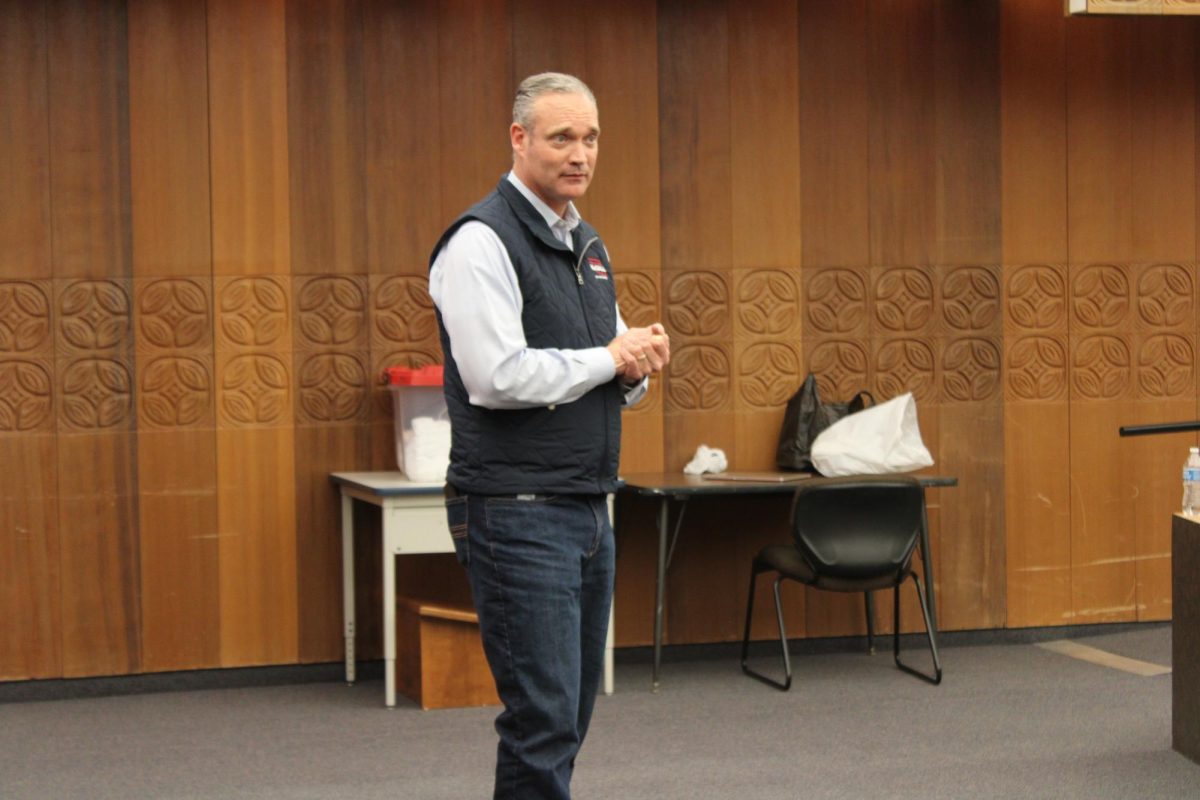
Prominent speakers included Doug Bandow, a senior fellow at the Cato Institute who specializes in foreign policy and civil liberties, was a special assistant to President Ronald Reagan and editor of the political magazine Inquiry.
U.S. diplomat and ORU alum Mark Wells participated in a Q&A panel for GCS. After serving as the principal deputy assistant secretary in the Bureau of Western Hemisphere Affairs for the U.S. State Department, Wells now serves as the director of global trade and development at the Oklahoma Department of Commerce.
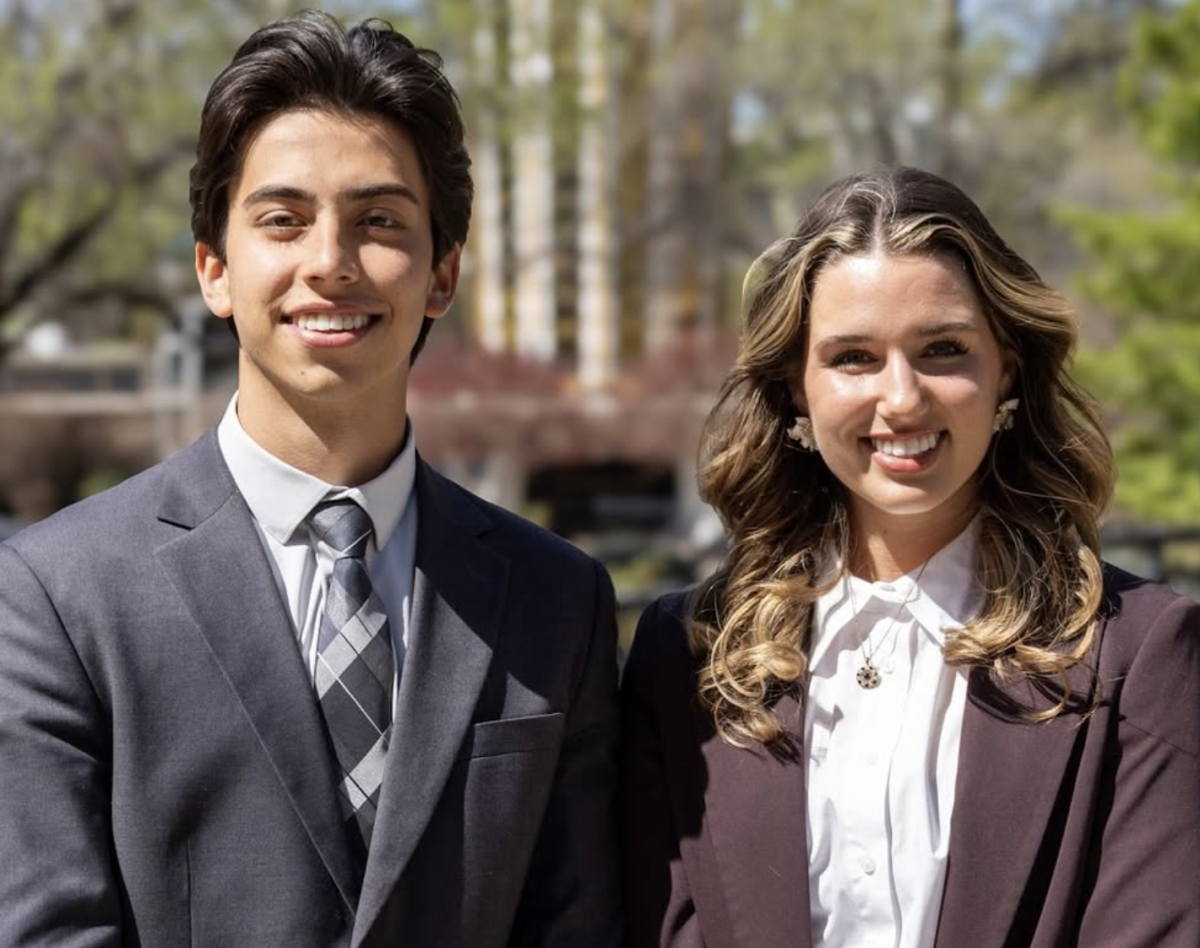
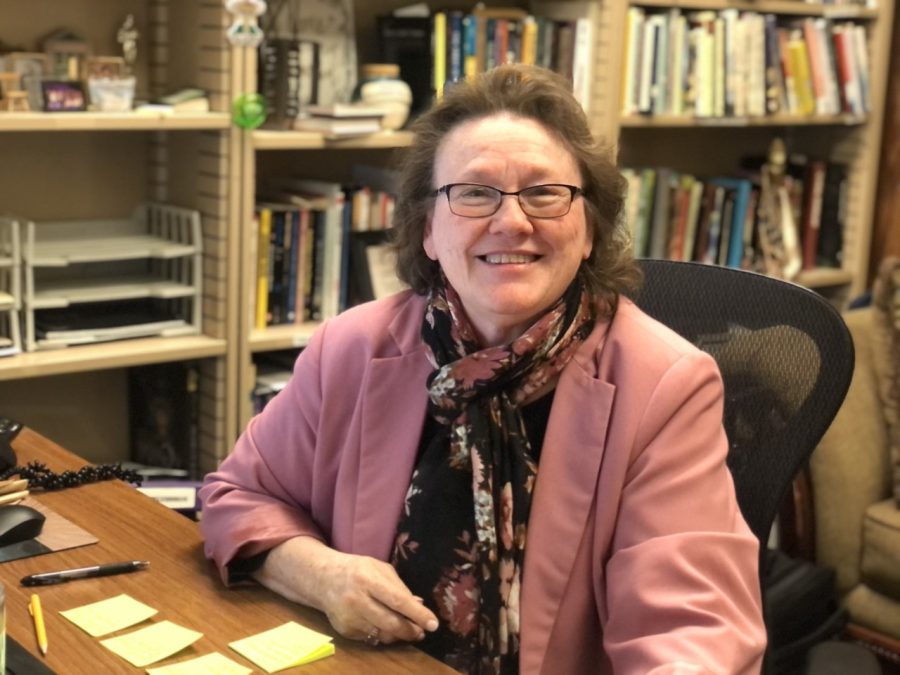
“Bandow presented a realist view, urging a focus on domestic priorities, while Wells offered an idealist approach, emphasizing how U.S. engagement abroad directly affects everyday Americans,” said ORU junior Ann Celones, lead of the GCS logistics team. “Global engagement is one of ORU’s five core outcomes, and seeing our students embody that calling was a powerful reminder of what Spirit-empowered leadership looks like in action.”
Global news coverage can seem overwhelmingly negative at times, but GCS helped sophomore Lucy Wentz feel more optimistic about the future.
“Each speaker brought a hopeful outlook that I will carry with me past this event,” Wentz said. “I was particularly struck by Toshiki Matsukiyo’s example of cross-cultural sensitivity. He reminded us of the importance of arriving ready to learn from those we work with, wherever we go.”
Toshiki Matsukiyo, an official at the Japan Ministry of Foreign Affairs, briefed the audience on his journey through statesmanship. Working in the Office of Economic and Education Policy within the Bureau of East Asian and Pacific Affairs, Matsukiyo touched on the Ukraine-Russia War, as well as the ever-changing nature of U.S foreign policy.
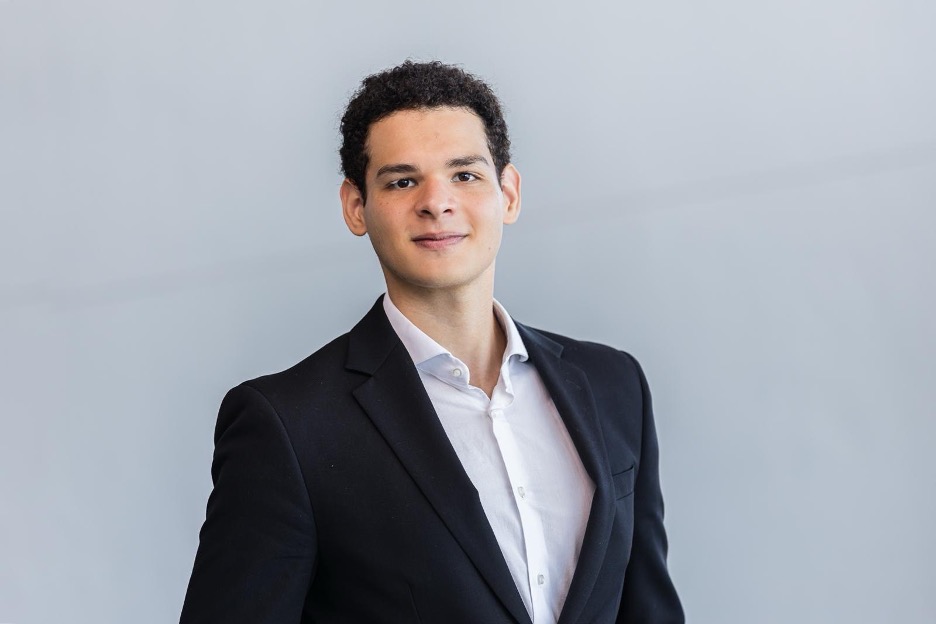
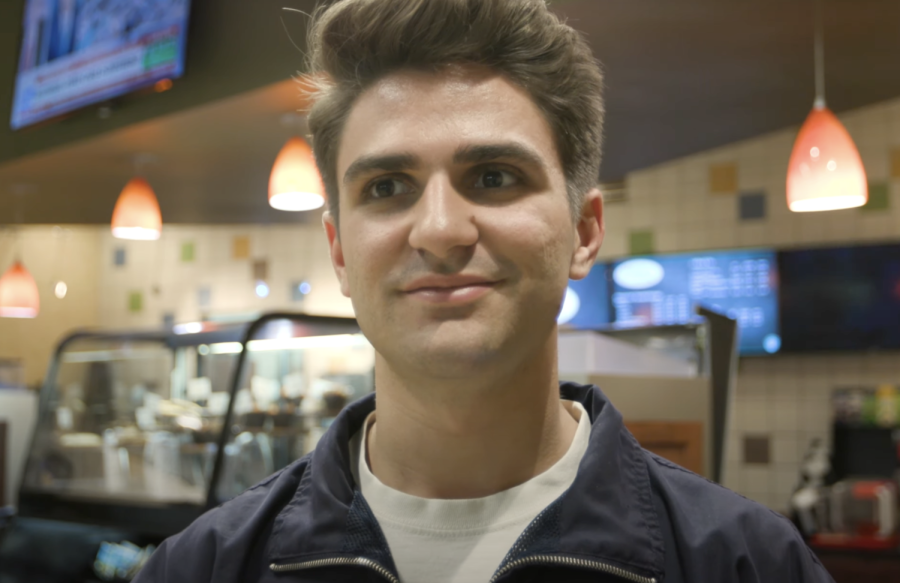
“Global Crisis Simulation is exactly the kind of event Oral Roberts University should aspire to replicate more often,” said international relations junior Alexander Iancu. “There’s hardly a better setting where students can learn negotiation, conflict management, and real-time decision-making as effectively – or as naturally – as they do in a crisis simulation.”