






When 16-year-old Fenix Ramos first noticed tiny, flickering dots drifting across her vision in 2021, she assumed she was simply tired. But the dots stayed. Over the next few days, her eyesight blurred unpredictably — sometimes growing hazy, sometimes almost completely disappear.
Her parents took her from clinic to clinic, searching for answers. The optometrist didn’t find anything wrong with her eyes but a neurologist finally offered the first clue: Optic Neuritis, an inflammation of the optic nerve often linked to neurological conditions.
“They told me it wasn’t my eyes,” Ramos says. “Something was happening in my brain.”
For more than two years, she underwent MRIs, blood tests and neurological evaluations. Eventually, one MRI revealed what her doctors feared: 12 lesions scattered across her brain. She was diagnosed with Multiple Sclerosis.
“I just cried with my mom,” she recalls. “I had so many dreams: hiking, sports, coming to ORU. I didn’t know how this diagnosis would change my future.”
Nearly 1 million people in the United States live with Multiple Sclerosis, a chronic disease in which the immune system attacks the brain and spinal cord, according to the National Multiple Sclerosis Society. Symptoms vary widely, ranging from vision loss to mobility problems. Most patients are diagnosed between the ages of 20 and 40.
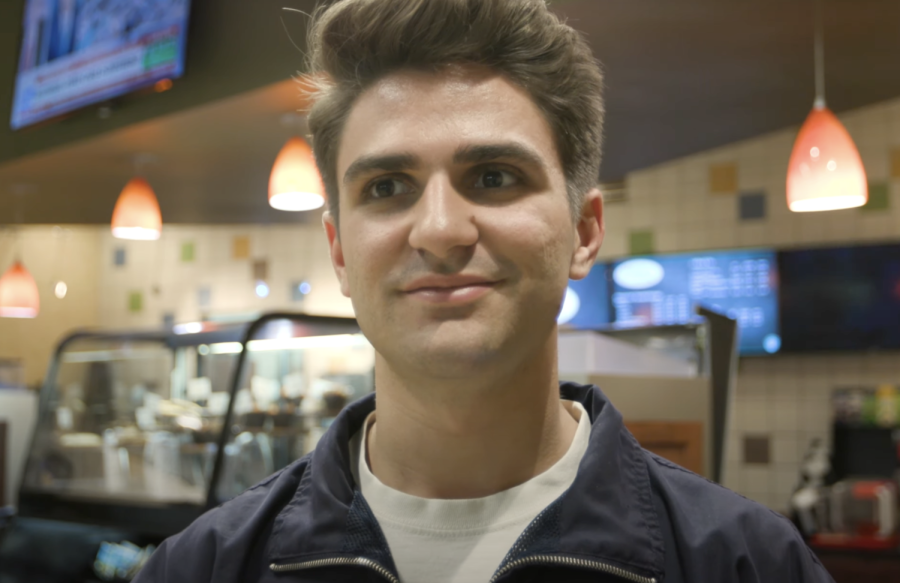
William Escobar, Ramos’ boyfriend, remembers the moment she told him she might have Multiple Sclerosis.
“She mentioned her blurry vision before, but hearing the doctors’ concerns was overwhelming,” Escobar says. “My first response was prayer. I prayed every single day for her.”
Instead of creating distance, the diagnosis strengthened their relationship, he says.
“Her condition didn’t change the way I supported her—it intensified it,” he says. “What impacted me most was her faith. Even when she was scared, she was always looking for God’s goodness.”
As Ramos approached college applications, her diagnosis complicated the process. She had dreamed of attending ORU long before Multiple Sclerosis entered her life. But between the cost of medication and the financial burden of studying abroad in the United States — since she is from El Salvador — her parents worried it wasn’t possible.
“They wanted to protect me,” Ramos says. “It was heartbreaking because I knew they couldn’t afford both my treatment and my education.”
Then, unexpectedly, things began falling into place: the finances, the visa, and opportunities that seemed impossible only months before. For Ramos, these moments were more than coincidences—they were confirmations.
“I knew the Lord was with me,” she says. “I wasn’t choosing ORU because I needed to come. I chose it because I had faith that God was making a way.”
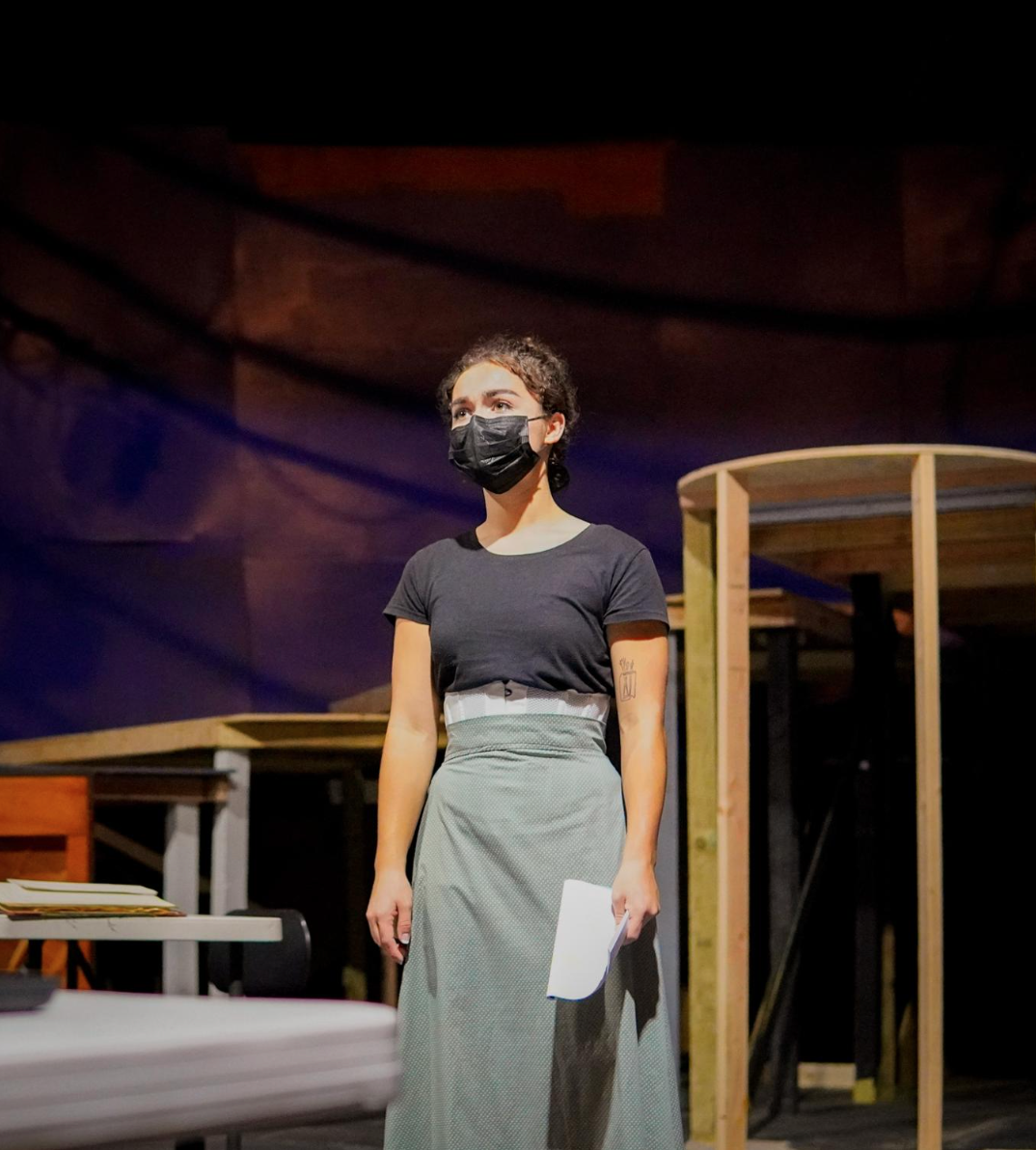
Today, Ramos studies film at ORU and her days are filled with classes, creative projects and new friendships.
“I feel very blessed,” she says. “Of course, I have moments where I feel insecure or lonely. But every morning, I remind myself: God fulfilled His promise.”