

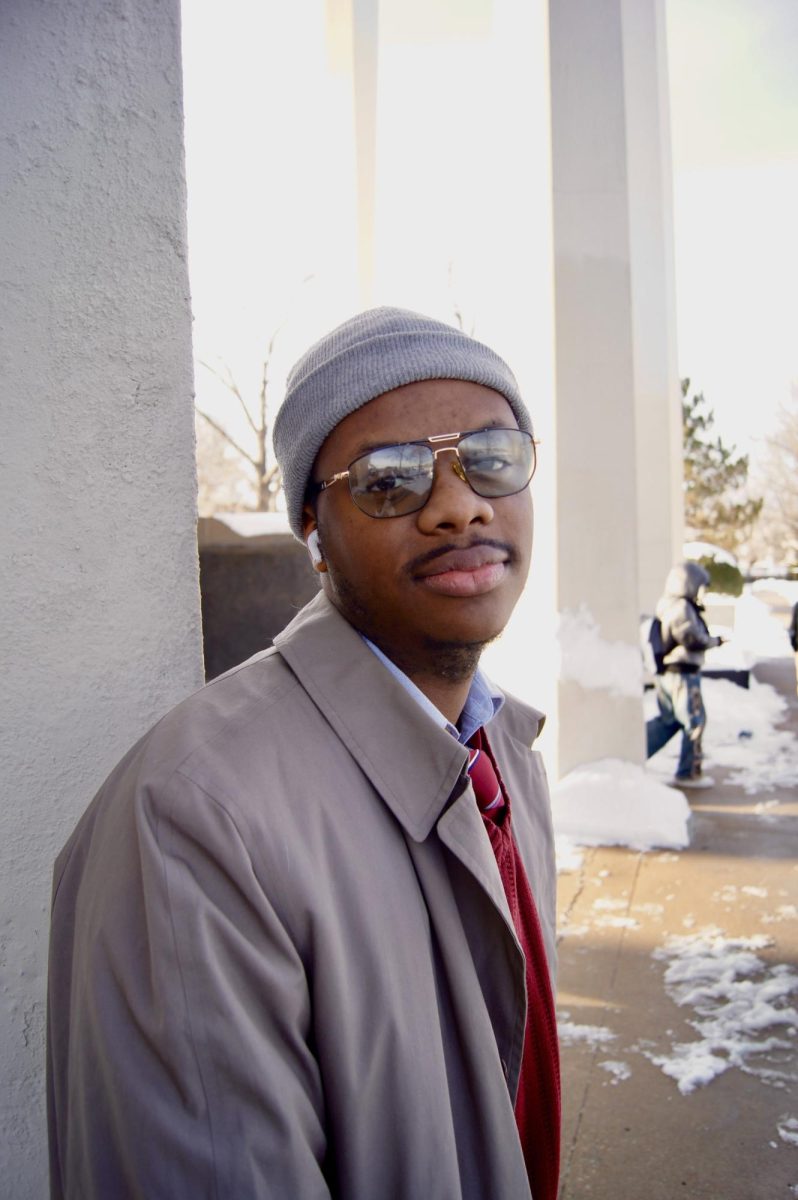




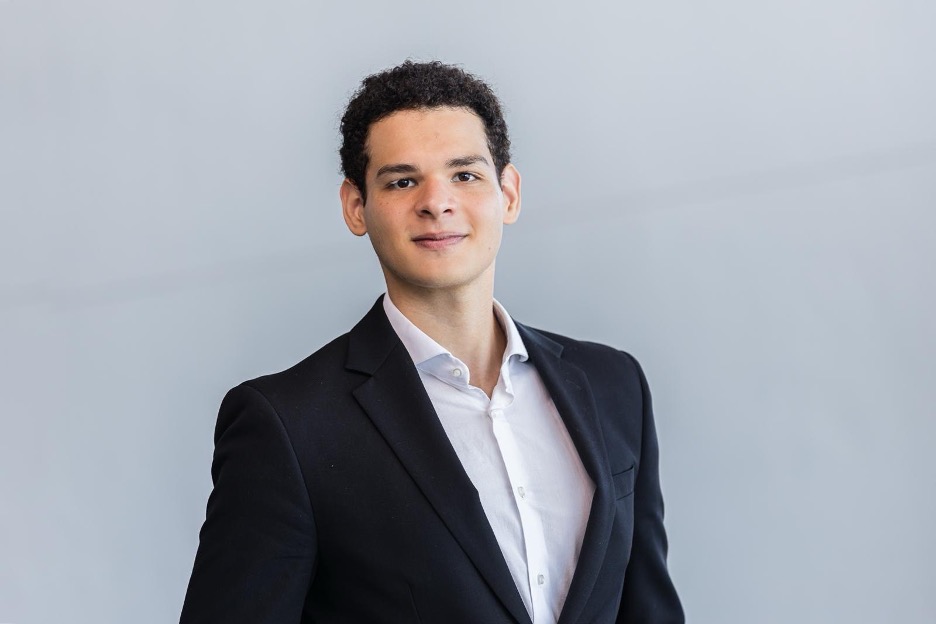
Holding a small cooler of sandwiches he hadn’t managed to sell, 6-year-old David Henrique Lima de Oliveira sat at a bus stop outside a public hospital in Porto Velho, a city in northwest Brazil.
The heavy northern heat settled over the sidewalk as buses came and went, but he stayed seated, resting before the long walk home to the small room his family slept behind a stranger’s house.
An older man took the seat beside him. His voice sounded quiet, weighed down by his struggles.
The man asked him: “Do you believe that God can do the impossible?”
Oliveira didn’t know how to answer. But that moment stayed with him.
Oliveira’s childhood began in homelessness and deep poverty after his family left a small rural town with few jobs and almost no resources.
They arrived in Porto Velho without money, without housing and without stability, spending weeks walking door to door until someone allowed four children and two parents to sleep in a single clay room.
His parents worked any jobs they could find — construction, cleaning and day labor — often switching roles from week to week.
Oliveira joined the effort as soon as he could.
“Since I was six, I was already selling sandwiches and juice,” he said. “It was how I helped.”
Finishing school hardly seemed guaranteed.
About 24% of young people in Brazil’s poorest income group leave school before finishing even a basic education, according to a 2023 study from the Institute for Mobility and Social Development. Among male students in that group, 40% cited the need to work as the main reason for dropping out.
“Sometimes I look back and don’t understand how nothing bad ever happened to me,” Oliveira said. “When you’re a child working in the street, anything can happen.”
As the years passed, his family slowly found more stability, and Oliveira was finally able to focus on school. Teachers urged him to look for opportunities beyond his impoverished circumstances, and that led him to the EducationUSA Opportunity Funds Program.
The U.S. Embassy initiative supports low-income, high-achieving students who apply to American universities.
Oliveira applied without knowing if he stood a real chance. The program required a minimum level of English proficiency — and he fell short.
“When I failed, I thought everything was over,” he said.
As the months went on, Oliveira began preparing to attend a university in Brazil.
While he was sitting in the middle of a prep school class, however, his phone rang.
He answered, expecting just another call.
A staff member from EducationUSA told him the program rarely reopened a spot, but his story had touched them in a way they couldn’t fully explain. They wanted him to return.
“I froze at my desk,” Oliveira said. “For me, it felt like God reopening the door.”
Returning to the program gave him the structure he had never had before.
He studied English every day, met with advisers who helped him through the application process, and completed assignments designed to prepare students for U.S. admissions.
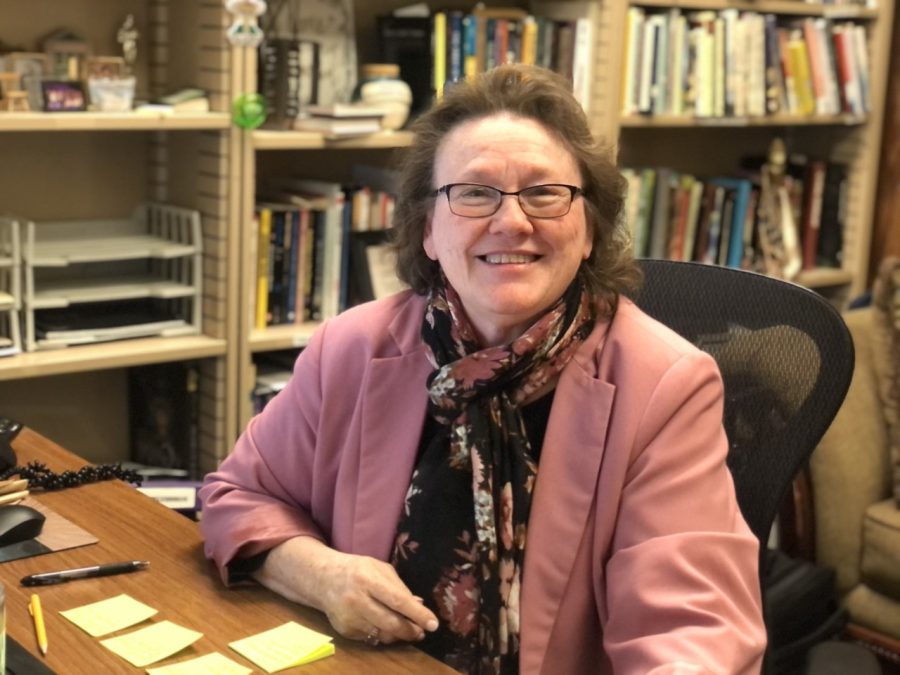
Dr. Kathy Hoppe, chair of Behavioral Sciences and associate professor of psychology at Oral Roberts University, knows that childhood circumstances often follow people into adulthood.
“One of the biggest factors shaping who a child becomes is security — especially secure housing,” Hoppe said. “He had family, but he didn’t have the safety or predictability that stable housing provides.”
Childhood homelessness alters the developing brain, Hoppe said. Statistically, Oliveira’s early experiences should have affected his ability to learn, focus and progress academically.
“The fact that he is where he is now reflects remarkable resilience,” Hoppe said.
Oliveira applied to ORU in 2025 and the acceptance email arrived with a scholarship attached.
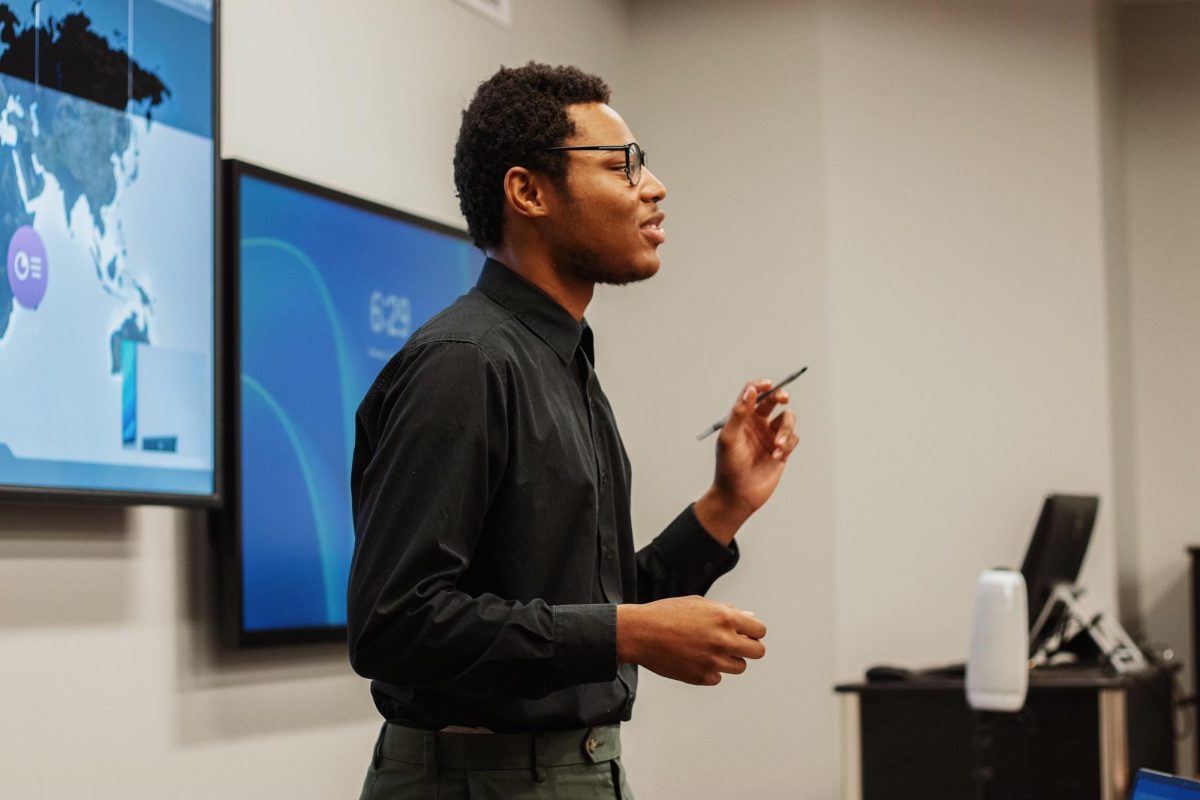
Today, he’s majoring in business and theology, studying thousands of miles from the streets where he once sold sandwiches.
“Everyday, I walk here with a smile,” Oliveira said. “I’m grateful because I know where I came from, and I know I wasn’t supposed to be in a place like this.”